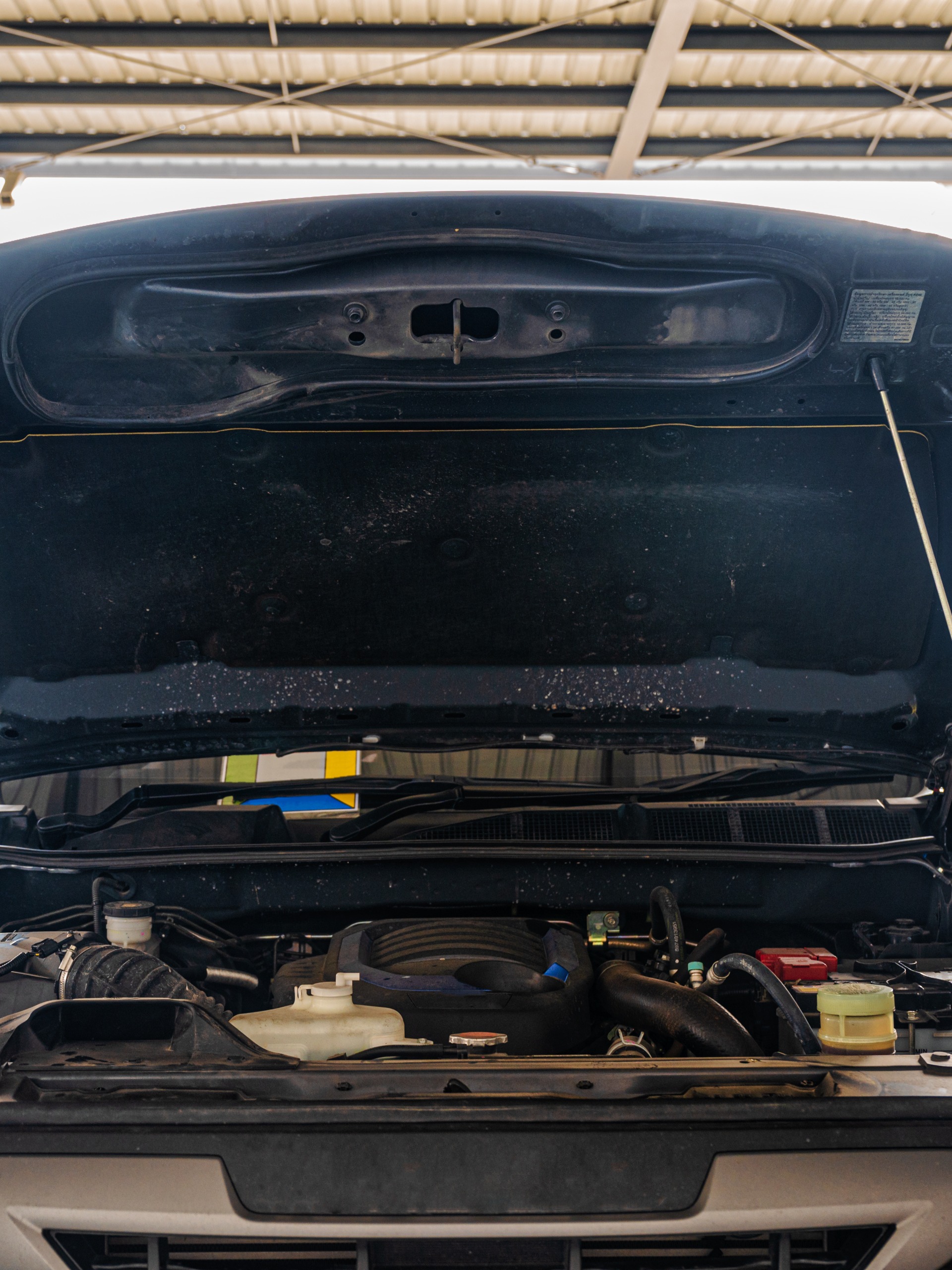
When you’re heading out for a hunting trip, the last thing you want is a truck that struggles to deliver the power you need. A slight hesitation on the highway might seem harmless, but it could become more noticeable when you’re climbing a steep grade with a heavy load. Ignition problems that affect truck performance often begin with subtle symptoms that are easy to overlook. Understanding what causes these issues can help you recognize trouble early and keep your ride ready for the demands of your next trip.
Why Ignition Problems Affect Performance
Your truck’s gasoline engine relies on properly timed ignition to produce power efficiently. Each cylinder needs a spark at the correct moment to ignite its compressed air-fuel mixture. When the ignition system can’t deliver that spark consistently, your engine may struggle to produce the power you expect.
As engine load increases, higher cylinder pressure can make it more difficult for a weakened ignition system to produce a reliable spark. An engine that runs smoothly during light driving may begin misfiring when you demand more power.
However, you shouldn’t automatically blame the ignition system whenever your truck loses performance. Fuel delivery problems and mechanical issues can produce similar symptoms, so accurate diagnosis matters.
Reduced Ignition Reliability
Your spark plugs operate through thousands of combustion cycles as your engine runs. Over time, electrode wear can increase the distance the spark must cross, raising the voltage needed for ignition. If the ignition system can’t consistently supply the required voltage, your engine may misfire.
Early spark plug wear may cause occasional misfires before more persistent performance problems develop. As plug condition deteriorates, the engine may develop a rough idle or struggle under load.
Why Spark Plug Specifications Matter
A spark plug can fit your engine without meeting its operating requirements. Your truck needs spark plugs that match its manufacturer’s specifications for proper operation.
Correct specifications help your ignition system function as intended, but spark plug condition also influences combustion reliability. Understanding how high-performance spark plugs can influence engine power provides useful context for evaluating ignition efficiency. Reliable ignition helps your engine deliver its intended power, particularly when worn components previously caused misfires.
However, replacing properly functioning plugs with performance-oriented alternatives doesn’t automatically increase horsepower. Follow your engine manufacturer’s specifications rather than selecting plugs based solely on claims of increased power.
Faulty Ignition Coils Cause Misfires
Many modern gasoline trucks use a separate ignition coil for each cylinder, allowing the ignition system to supply the high voltage needed to fire each spark plug. Each coil generates the high voltage needed to create a spark across the plug gap.
When a coil begins failing, you might experience intermittent misfires that become more noticeable during acceleration. Some coil failures become noticeable only after the engine warms up, making them difficult to identify during a brief inspection.
Recognize Coil-Related Trouble
When your engine computer identifies a misfire caused by a faulty ignition coil, it may activate the engine light to alert you to the problem. However, a misfire code identifies the affected cylinder or a general misfire condition rather than proving that a particular coil has failed.
A technician may swap compatible ignition coils between cylinders to see whether the misfire moves with the suspected coil. This approach helps distinguish a coil failure from other problems affecting the same cylinder.
Confirming the source of a misfire helps you avoid replacing a functioning ignition coil.
Damaged Ignition Connections Interrupt Spark Delivery
Over time, heat can damage wiring insulation, while vibration can loosen electrical connections. Driving on rough access roads can worsen an already loose electrical connection. You might notice occasional hesitation that disappears once driving conditions change.
Older trucks with distributor-based ignition systems also have spark plug wires that can deteriorate. Damaged insulation can allow voltage to leak from a spark plug wire, particularly when moisture creates an easier path for electrical discharge.
Inspect accessible wiring for visible deterioration, but avoid touching ignition components while the engine runs. Ignition systems generate dangerously high voltages.
Sensor Problems Disrupt Ignition Timing
Your engine computer relies on the crankshaft position sensor to track engine speed and determine when to trigger ignition events.
If the sensor sends an unreliable signal, your truck may stall unexpectedly or become difficult to start. Depending on the engine design, the computer may also use camshaft position information to coordinate ignition and fuel injection.
Recognize Trouble Before Remote Trips
When you’re preparing for a hunting trip or an extended drive into backcountry terrain, minor engine problems deserve attention. A minor hesitation during local driving could become a serious problem when you’re miles from reliable assistance.
Pay attention to changes in your truck’s behavior during normal operation. Several symptoms warrant further investigation:
- Rough idling: The engine shakes or runs unevenly while stationary
- Acceleration hesitation: Power delivery briefly falters when you press the throttle
- Repeated misfires: The engine stumbles during acceleration or sustained driving
- Hard starting: The engine cranks longer than usual before running
- Check engine light: The computer detects a condition requiring diagnosis
Although these symptoms don’t confirm an ignition problem, documenting them can help a technician narrow down the cause.
Diagnose Problems Without Guesswork
You can begin investigating ignition trouble by checking for stored diagnostic trouble codes. An OBD-II scanner can retrieve misfire-related trouble codes that help guide further testing.
However, codes provide a starting point rather than a complete diagnosis. A cylinder-specific misfire may point to an ignition problem, but inadequate fuel delivery or a mechanical fault could produce the same symptom.
Your truck’s maintenance history also provides valuable context. If the spark plugs have exceeded their recommended service interval, inspecting their condition makes sense.
If symptoms occur intermittently, note the driving conditions when they appear. A technician can use those observations to reproduce the issue and choose appropriate tests instead of replacing parts through trial and error.
Keep Your Truck Ready for Demanding Drives
If you regularly tow equipment or drive across difficult terrain, pay attention to changes in your vehicle’s performance. Recognizing common ignition problems that affect truck performance can help you identify potential issues before they become more serious.
The next time you prepare your truck for a demanding trip, review its service history and address any unresolved engine symptoms. If something doesn’t seem right, schedule a proper diagnosis before heading into remote country.
Casey is a passionate copyeditor highly motivated to provide compelling SEO content in the digital marketing space. Her expertise includes a vast range of industries from highly technical, consumer, and lifestyle-based, with an emphasis on attention to detail and readability.