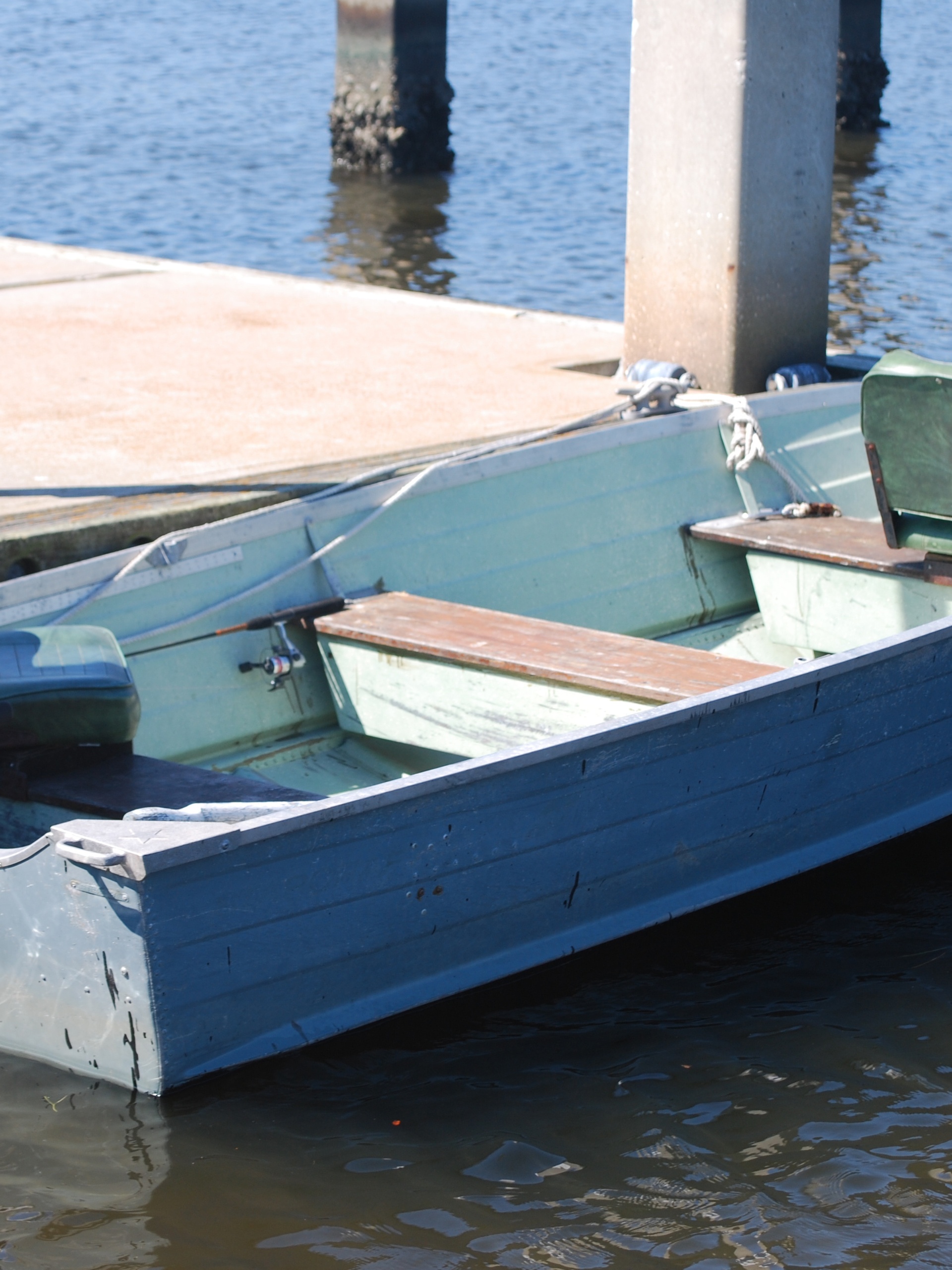
The alarm rings as the world still sleeps. Coffee warms chilly hands as a loaded truck waits beside the jon boat. There’s something special about heading toward the water before sunrise. There’s nothing fun about discovering a dead battery at the ramp.
Duck season asks a lot from a jon boat. Cold mornings challenge equipment, and shallow waterways hide surprises beneath the surface. A little attention before opening day can prevent frustrating delays and make those early trips more enjoyable. Here’s how to keep your jon boat ready for duck season.
Start With the Hull
Before loading hunting gear, give the hull a careful look. Check the bottom for dents or cracks, paying particular attention to areas that may have struck submerged logs last season. Look around the seams and rivets for signs of damage.
Inspect the transom where the outboard attaches. Any movement or visible signs of weakness warrant professional attention before the boat returns to the water. Check the drain plug and its seal as well. A missing plug can turn an exciting launch into an expensive morning.
If the hull raises concerns, arrange an inspection rather than trusting a temporary patch.
Wake Up the Motor
An outboard that ran beautifully last season still needs attention after months of storage. Follow the manufacturer’s service schedule and inspect the fuel lines for cracks. Check the engine oil or the correct two-stroke oil, depending on the motor.
Look over the propeller for damage and clear away any tangled line. Examine the lower unit for signs of leaks. If the gear-case lubricant looks milky, ask a marine technician to investigate possible water intrusion.
Test the engine according to the manufacturer’s instructions before opening day. Never run an outboard dry or improvise a cooling-water setup.
Give the Battery Some Attention
A sluggish electrical system can steal precious hunting time before the boat leaves the ramp. Start with proper marine battery maintenance by checking the charge level and examining the terminals for corrosion. Secure the battery so it can’t slide when the boat moves.
Use a charger that matches the battery’s chemistry and follow its temperature limits. Some lithium batteries restrict charging below freezing unless they have suitable cold-weather protection. Inspect cables and protective covers for damage.
Test the trolling motor and lights after charging. That simple check tells much more than assuming last season’s battery still has plenty of life.
Check the Fuel Situation
A partially filled portable tank can seem adequate until the return trip takes longer than expected. Inspect the tank and fuel connections for leaks or deterioration. Use fresh fuel that meets the engine manufacturer’s requirements.
If the motor sat through the off-season with old gasoline, follow the manufacturer’s recommendations for handling it. Don’t assume a fuel additive can reverse every storage problem.
Plan enough fuel for the route and a sensible reserve. A reliable motor can’t help when the tank runs empty far from the launch.
Make Lighting a Priority
Duck hunters often launch before daylight, which makes working navigation lights especially important. Test the bow and stern lights and confirm that they meet the rules for the boat and operating conditions.
Check switches for intermittent operation and inspect wiring where moisture can reach connections. Carry a dependable flashlight for tasks at the ramp, but don’t treat it as a replacement for required navigation lights.
Darkness can make familiar channels look completely different. Slow down and follow local navigation requirements rather than relying on memory alone.
Balance the Hunting Load
Jon boats offer convenient access to shallow areas, but their flat bottoms don’t make them immune to tipping. Decoy bags and extra equipment can add weight faster than expected. A retriever also changes the boat’s loading and balance.
Check the capacity plate and count the weight of everyone and everything aboard. Place heavier items low and distribute them evenly. Secure loose gear so sudden movement doesn’t shift the load.
Keep decoy lines organized so they don’t create tripping hazards. Resist stacking equipment until it blocks safe movement. An open walkway offers more value than squeezing in one additional bag of decoys.
Check the Trailer
Boat preparation doesn’t end at the transom. The trailer has to get the jon boat to the launch and back without trouble. Inspect tires for weather cracking and check their pressure against the trailer manufacturer’s recommendations.
Test the trailer lights before an early departure. Look over the winch strap and safety chains for wear. Check the wheel bearings and service them according to the trailer’s maintenance instructions.
A trailer problem on a dark roadside can ruin the morning before the boat ever sees water. A driveway inspection is far more convenient.
Prepare for Cold Water
A chilly breeze may feel manageable from shore, but falling into cold water creates a much more serious hazard. Everyone aboard should wear a properly fitted, appropriate life jacket throughout the trip.
Dress for the water temperature rather than the forecast high. Avoid clothing that restricts movement or interferes with a life jacket’s fit. Keep dry spare clothing in a waterproof bag.
Cold water reduces the time available to react effectively. Staying seated while underway and avoiding sudden shifts in weight help protect everyone aboard.
Respect the Weather
A shallow marsh on a calm morning can become uncomfortable when strong winds arrive. Check the forecast before leaving and watch for changing conditions throughout the hunt.
Don’t assume a flat-bottomed jon boat can handle rough open water just because it navigates shallow channels well. Choose a route that matches the boat’s capabilities and turn back when conditions deteriorate.
Tell someone the planned launch location and expected return time. Bring dependable communication equipment, remembering that remote hunting areas may have unreliable cell coverage.
Keep Safety Gear Close
Check local boating requirements before each season. Carry the necessary safety equipment and confirm that everyone knows where to find it. A reachable paddle or other appropriate backup means of propulsion can help when the motor quits.
Inspect any onboard fire extinguisher that regulations or the boat’s configuration require. Keep an accessible first aid kit and a means of signaling for help. Store emergency supplies where water won’t ruin them.
Safety gear only helps when the crew can reach it quickly. Don’t bury it beneath decoys or heavy bags.
Finish With an After-Hunt Routine
The work doesn’t stop at the ramp after a successful morning. Remove standing water and drain the boat according to local requirements. Clean off mud and vegetation, especially when moving between waterways.
Inspect the hull for fresh damage and check whether gear shifted during the trip. Recharge the battery according to its instructions and let wet equipment dry before storage.
Take five minutes to note anything that needs repair. Handling small problems between trips keeps the next predawn launch from becoming another surprise.
Enjoy More Time on the Water
Knowing how to keep your jon boat ready for duck season comes down to reliable equipment and realistic planning. A sound hull and dependable motor make early starts easier, while safe loading keeps the crew more comfortable.
Pick a day before the season to inspect the boat from bow to stern. Fix concerns while there’s still time to find parts or schedule service. When opening morning arrives, the best surprise should be the sight of ducks overhead, not trouble at the launch.
Casey is a passionate copyeditor highly motivated to provide compelling SEO content in the digital marketing space. Her expertise includes a vast range of industries from highly technical, consumer, and lifestyle-based, with an emphasis on attention to detail and readability.