If you conceal carry, you need a holster that allows you to keep your firearm secure without making everyday movement uncomfortable. But there are plenty of designs out there, and their placement affects how they fit under clothing. Which one is right for your routine?
Let’s take a look at the types of gun holsters available for concealed carry and what you should understand about each before making a choice.
Inside-the-Waistband Holsters
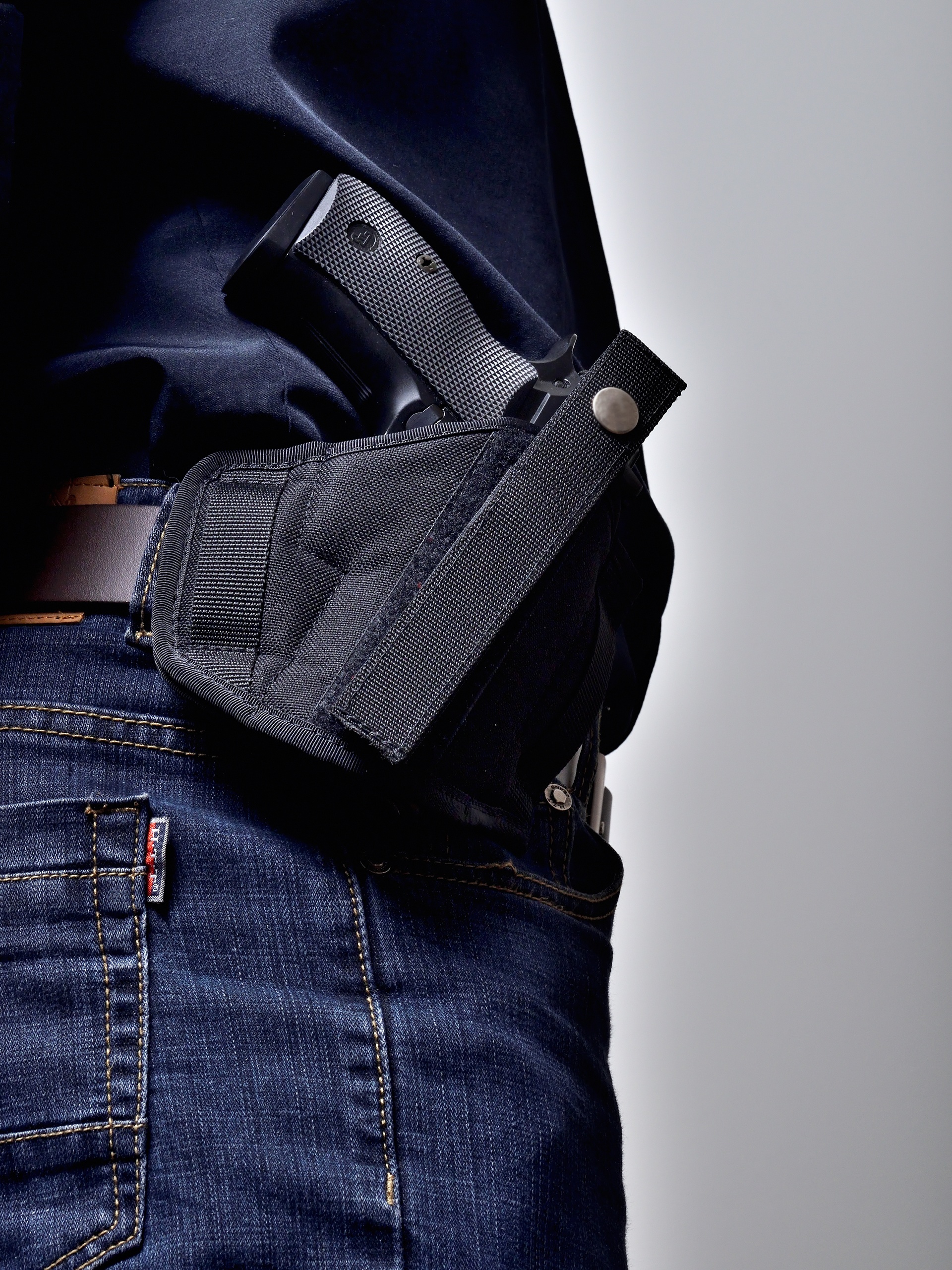
An inside-the-waistband holster, or IWB, sits between your body and your pants. Because most of the holster sits below the waistband, your cover garment primarily needs to conceal the handgun’s grip. A belt attachment keeps the holster anchored rather than relying on pressure from your clothing alone.
However, the holster takes up space that your pants weren’t necessarily sized to accommodate. A waistband that already fits snugly may become uncomfortable with the added bulk. Your clothing needs enough room for the holstered firearm without squeezing it against your body throughout the day.
Outside-the-Waistband Holsters
An outside-the-waistband holster, or OWB, attaches outside your pants. This type of holster is more common for training than everyday concealed carry because it’s harder to hide under clothing, but close-fitting models offer less bulk.
Unlike IWB designs, it doesn’t take up room inside your waistband. Instead, you’ll need a shirt or jacket long enough to cover the entire holster, even when you sit or bend.
Appendix Holsters
An appendix holster sits inside the front of your waistband, generally beside your centerline. Although it belongs to the IWB category, its placement creates a different fit from a holster worn near your hip. The front of your torso has less room to accommodate bulk when you sit.
For that reason, holster length affects comfort alongside the handgun’s size. A design that presses into your thigh while seated isn’t something you should simply tolerate. Some appendix models include a concealment wing that presses against the belt to turn the grip inward.
Tuckable Holsters
A tuckable holster allows you to tuck your shirt between the holster body and its belt attachment. This creates coverage over the firearm while leaving the attachment outside the tucked fabric. It’s an option when an untucked shirt doesn’t fit your usual clothing requirements.
Still, “tuckable” doesn’t promise complete invisibility. The clips may remain visible, and tightly stretched fabric may reveal the grip’s outline. Enough room through the shirt’s waist allows the fabric to drape over the handgun instead of pulling against it whenever you change position during the day.
Pocket Holsters
A pocket holster holds a small handgun inside a pocket while covering its trigger guard. It separates the firearm from the pocket fabric and reduces the recognizable outline of the gun. However, it doesn’t turn every pocket into an appropriate place for concealed carry.
Pocket depth determines whether the grip remains covered when you sit. Meanwhile, the holster needs enough structure to protect the trigger and keep the firearm positioned consistently. Your firearm pocket should remain dedicated to the holstered gun, without loose objects that could interfere with safe handling.
Ankle Holsters
An ankle holster wraps around your lower leg and holds the handgun beneath your pant leg. Since the weight sits near your ankle, larger firearms place more strain on the attachment. Compact handguns create less bulk in this position, though the holster still needs adequate support.
Your pants determine how much coverage you’ll have during movement. A narrow opening may press against the firearm, while a rising hem may expose it when you sit. Consequently, an ankle setup needs evaluation with the pants you actually wear, rather than shorts during fitting.
Shoulder Holsters
A shoulder holster suspends the firearm beneath your arm through a harness worn across your upper body. This moves the handgun’s weight away from your waistband. A jacket provides coverage, but removing that jacket changes whether the firearm remains concealed.
Harness fit affects how much the holster moves as you go about your day. Loose straps allow the handgun to swing, while excessive tension pulls against your shoulders. Because shoulder rigs vary in muzzle orientation, safe handling requires instruction specific to the design rather than habits borrowed from a belt holster.
Belly Band Holsters
A belly band wraps around your torso and supports the firearm without attaching to a pants belt. This gives you an alternative when your clothing doesn’t provide belt loops. However, the band’s flexibility shouldn’t come at the expense of protection around the trigger.
Some designs incorporate a rigid holster insert, while others rely on a fabric pocket. Stretch fabric alone doesn’t necessarily prevent pressure from reaching the trigger. Beyond that concern, the band needs enough support to hold the handgun without rolling or slipping as you move throughout the day.
Thigh Holsters
A concealed thigh holster holds the firearm against your upper leg beneath a skirt or dress. Unlike an exposed drop-leg rig, this design depends on clothing that covers the attachment completely. The available space beneath the garment limits how much bulk you can conceal.
The attachment needs to resist sliding as you walk, since a loose fit allows the holster to move down your leg. Some designs use additional support attached at the waist. Even with that support, a garment that rides upward when seated may expose the holstered firearm.
Off-Body Holsters
An off-body holster secures the handgun inside a separate item, such as a purpose-built carry bag. The holster itself still needs to cover the trigger and hold the firearm securely. Simply placing a handgun in an ordinary bag leaves it free to move against other contents.
This arrangement introduces a responsibility that body-mounted holsters don’t share: keeping control of the bag. Setting it aside separates you from the firearm and creates an opportunity for unauthorized access. A dedicated firearm compartment reduces interference from belongings, but it doesn’t replace continuous control.
Choose a Holster You Can Wear Consistently
Understanding the types of gun holsters gives you a way to compare how each design fits into your routine. The right choice needs to secure your specific firearm while remaining comfortable beneath the clothing you actually wear.
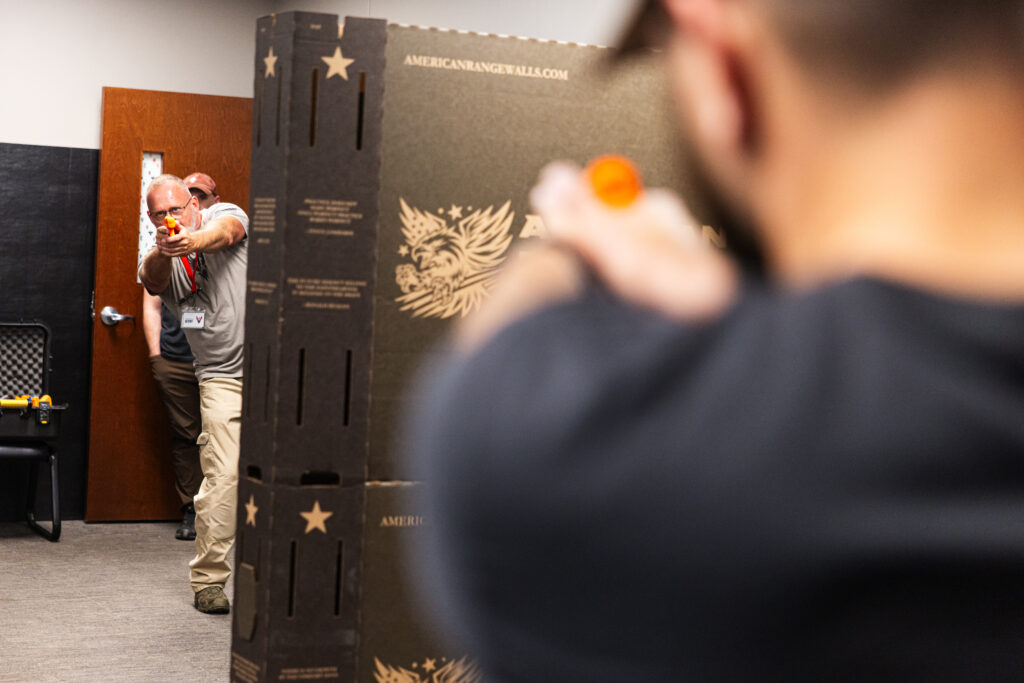
Before settling on a setup, evaluate its fit with an unloaded firearm in a safe setting. Qualified instruction provides guidance on safe handling with that holster, so you aren’t left figuring it out through guesswork.
Casey is a passionate copyeditor highly motivated to provide compelling SEO content in the digital marketing space. Her expertise includes a vast range of industries from highly technical, consumer, and lifestyle-based, with an emphasis on attention to detail and readability.