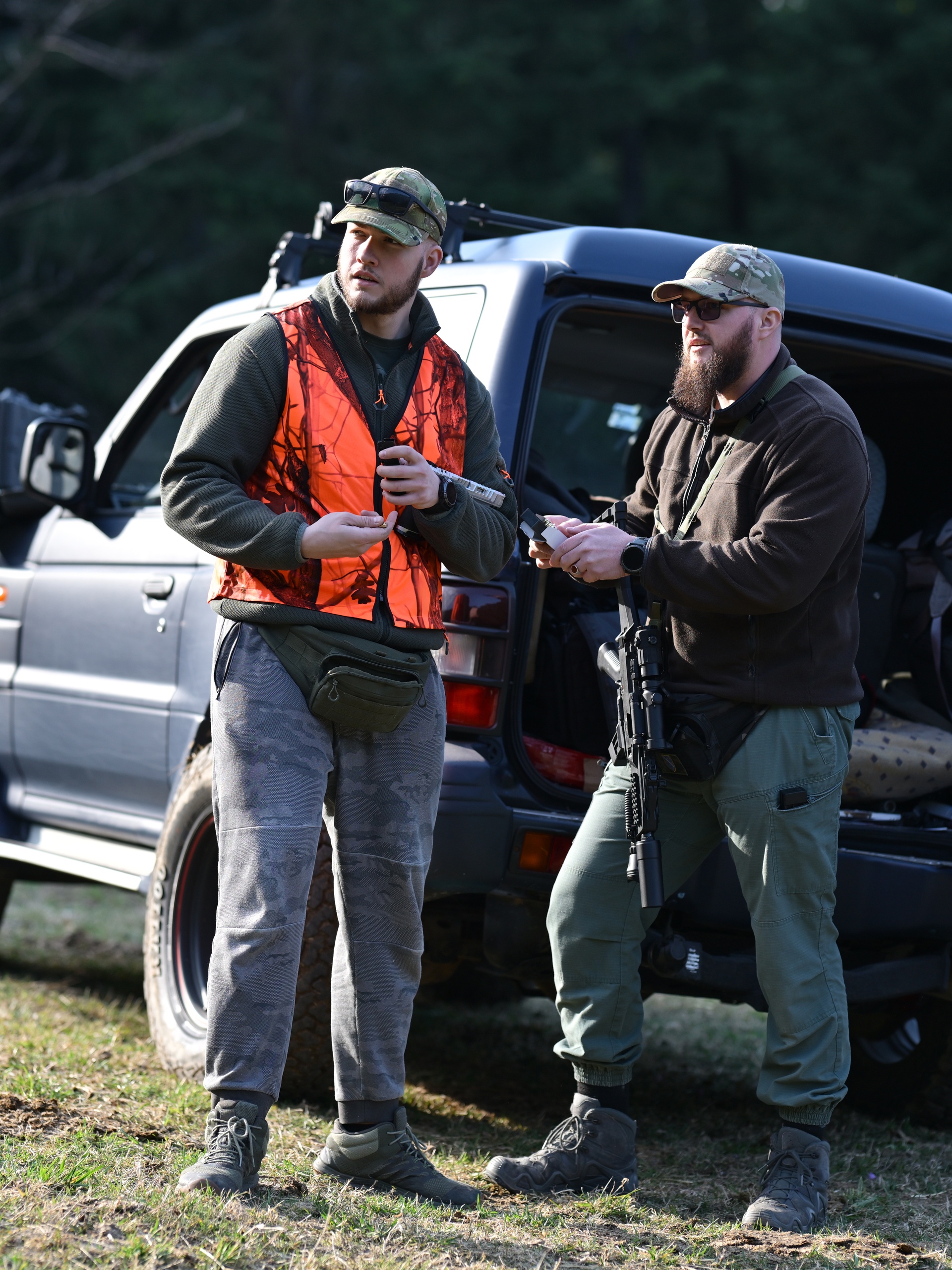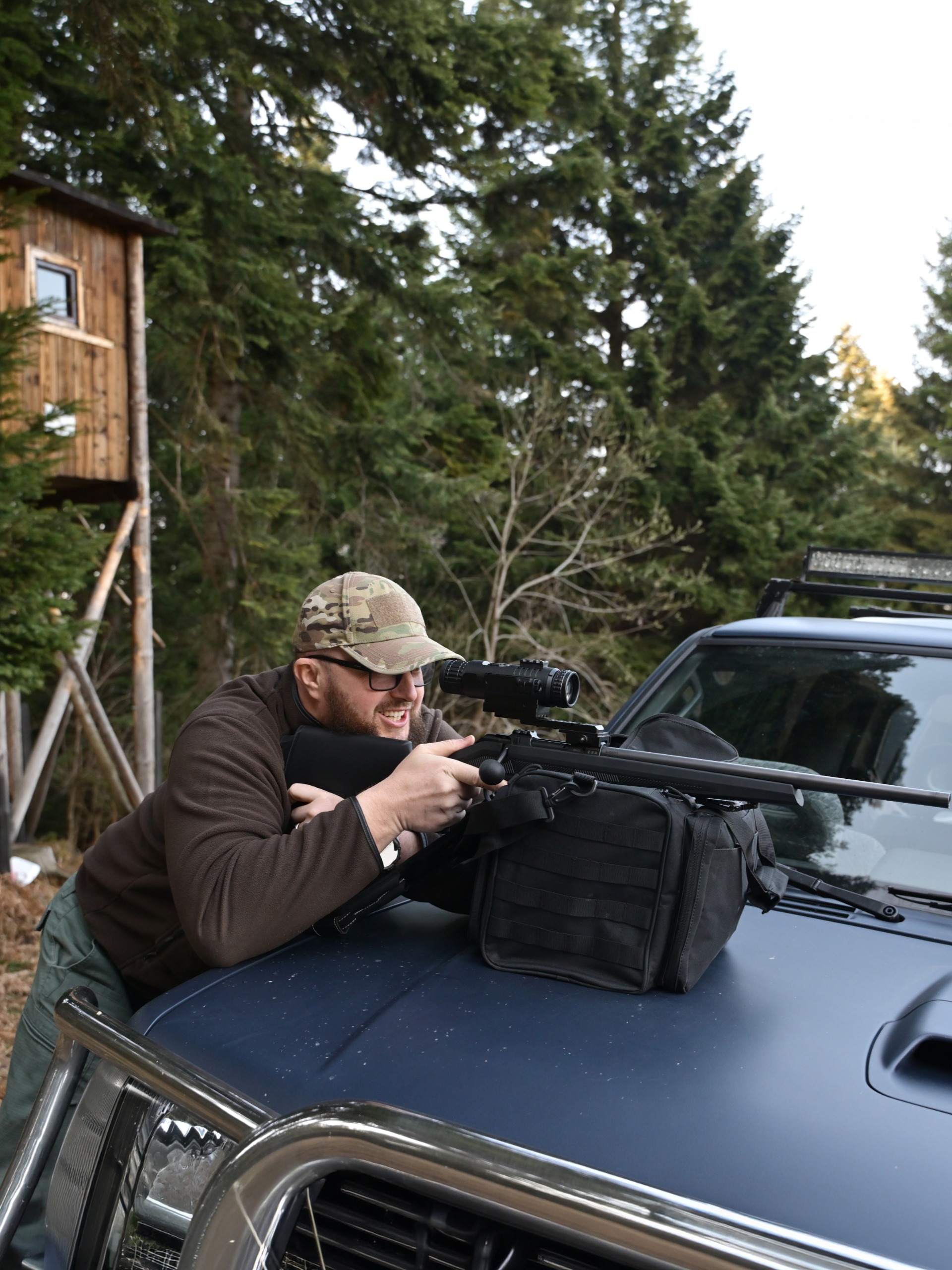
A successful hunting trip starts long before you reach your destination. Your truck must handle rough terrain, unpredictable weather, and remote roads without unexpected mechanical problems. Proper preparation gives you greater confidence as you travel toward your favorite hunting location.
Dually trucks offer impressive stability and load capacity, but hunting season introduces challenges that demand extra attention. Remote access roads can expose your vehicle to conditions far more demanding than everyday highway travel. Even a minor mechanical issue can become a serious problem when professional assistance is miles away.
Your preparation should reflect the terrain and climate of your destination. Every adjustment deserves careful consideration before departure, especially when you expect to travel with heavy equipment. Understanding how to prepare your dually truck for hunting season can make a noticeable difference in your experience.
Check Your Tire Pressure
Tire pressure deserves more attention than a quick visual inspection. Incorrect pressure can affect vehicle stability and accelerate tire wear across uneven surfaces. Consult your manufacturer’s recommendations to determine appropriate pressures for your truck’s actual load and expected travel conditions.
Your dual rear tires require particular care because differences in pressure can affect how each tire carries weight. Check every tire when cold, including those with less accessible valve stems. Examine their overall condition carefully, since minor damage can become a serious problem far from home.
Evaluate Your Suspension System
Rough access roads place considerable stress on your truck’s suspension. Deep ruts and uneven surfaces can expose worn components that perform adequately on smooth pavement. Inspect your suspension before departure and address unusual noises or excessive vehicle movement.
Your truck must also support the additional weight of hunting equipment without compromising stability. Heavy cargo can affect suspension travel and vehicle control, especially across difficult terrain. Verify your truck’s load ratings and consider professional service if you notice excessive sag or unpredictable handling.
Inspect Your Dually Wheels
Your wheels face considerable stress during remote trips, especially across rocky trails and muddy access roads. Before departure, examine their condition carefully and look for damage that could affect performance. Pay close attention to the inner rear wheels, since their position can make certain problems harder to detect.
Understanding the environmental effects on the lifespan of dually wheels can help you identify damage from moisture and abrasive debris before serious problems develop. Harsh conditions can accelerate corrosion and gradually weaken exposed surfaces. Clean your wheels thoroughly before departure and inspect them again after travel across difficult terrain.
Prepare Your Brake System
Reliable brakes become especially important when your route includes steep descents or narrow mountain roads. Your truck needs consistent stopping performance regardless of the conditions ahead. Arrange a professional inspection if you notice unusual noises or reduced responsiveness before your trip.
A loaded dually truck requires additional distance to stop safely, especially across slippery surfaces. Test your brakes under controlled conditions and adjust your travel speed to match the terrain. If you tow a trailer, confirm its brakes operate correctly before you leave paved roads.
Protect Your Truck Undercarriage
Remote trails can hide obstacles beneath mud or loose debris. These hazards may damage exposed components under your truck, even at relatively low speeds. Inspect the undercarriage before departure and address existing damage that could become more serious during your trip.
Additional protection may be appropriate if your route includes particularly rough terrain. Compatible skid plates can help shield vulnerable components from direct contact with obstacles. After difficult trips, remove accumulated mud and inspect exposed areas for damage that may require professional attention.
Organize Your Hunting Equipment
A crowded truck bed can create unnecessary problems during remote travel. Loose equipment may shift across rough roads and affect vehicle stability. Secure your hunting supplies before departure to prevent unexpected movement and keep your cargo properly organized.
Consider how often you expect to access certain items throughout your trip. Keep frequently used equipment accessible without placing excessive weight near the rear of your truck. Proper cargo distribution helps maintain predictable vehicle behavior across difficult roads and reduces unnecessary stress on suspension components.
Prepare For Harsh Weather
Hunting season often brings sudden changes in temperature and road conditions. A clear morning can turn into a cold afternoon with little warning. Inspect your truck’s weather protection and climate controls before departure to confirm they operate properly.
Cold temperatures can also expose weaknesses in your battery and electrical system. Test your battery and address any signs of poor electrical connections before your trip. Check your vehicle’s fluid requirements against expected temperatures, especially if your destination experiences freezing conditions.
Review Your Recovery Equipment
Even a capable dually truck can lose traction across difficult terrain. Remote destinations make recovery preparation especially important because assistance may not arrive quickly. Choose equipment appropriate for your truck’s weight and the conditions you expect to encounter.
Before departure, inspect your recovery points and confirm that your equipment meets the necessary load ratings. Familiarity matters just as much as the equipment itself. Understand safe recovery procedures and avoid attempts that could damage your truck or place anyone nearby at risk.
Maintain Your Engine Performance
Your engine needs to remain dependable throughout extended trips across remote areas. Regular maintenance helps identify developing problems before they affect your truck’s performance. Follow your manufacturer’s service recommendations and address unusual mechanical symptoms before departure.
Diesel-powered dually trucks may require additional attention under demanding operating conditions. Review your owner’s manual for maintenance requirements that apply to your intended use. Plan fuel stops carefully, since remote hunting destinations may have limited access to suitable fuel.
Plan Your Hunting Route
Not every remote trail can accommodate a full-size dually truck. Narrow roads and restricted access points can create serious challenges for larger vehicles. Research your destination before departure and confirm that your intended route offers sufficient clearance for your truck.
Local regulations and seasonal closures can also affect where you can travel. Review current access conditions and identify safe places to park or turn around. Share your route with a trusted contact and allow extra travel time for unexpected obstacles or poor weather.
Preparing your dually truck for hunting season requires careful attention to the demands of remote travel. Your vehicle must remain dependable across difficult terrain and unpredictable weather. Addressing potential problems before departure can prevent unnecessary interruptions and help protect your truck from avoidable damage.
Your equipment and travel plans deserve the same level of care. Secure your supplies and research your destination before you leave home. With proper preparation, your dually truck can handle the demands of hunting season and remain ready for future trips.
Casey is a passionate copyeditor highly motivated to provide compelling SEO content in the digital marketing space. Her expertise includes a vast range of industries from highly technical, consumer, and lifestyle-based, with an emphasis on attention to detail and readability.